STEP Dubai 2026: The Future of Innovation Funding
STEP Dubai 2026 showcased a shift in the UAE's startup ecosystem towards commercially disciplined innovation. Founders, CFOs, and investors are now focused on smart growth and efficient spending. Non-dilutive funding, especially R&D tax incentives, is becoming a strategic priority for businesses looking to build robust financial infrastructure.
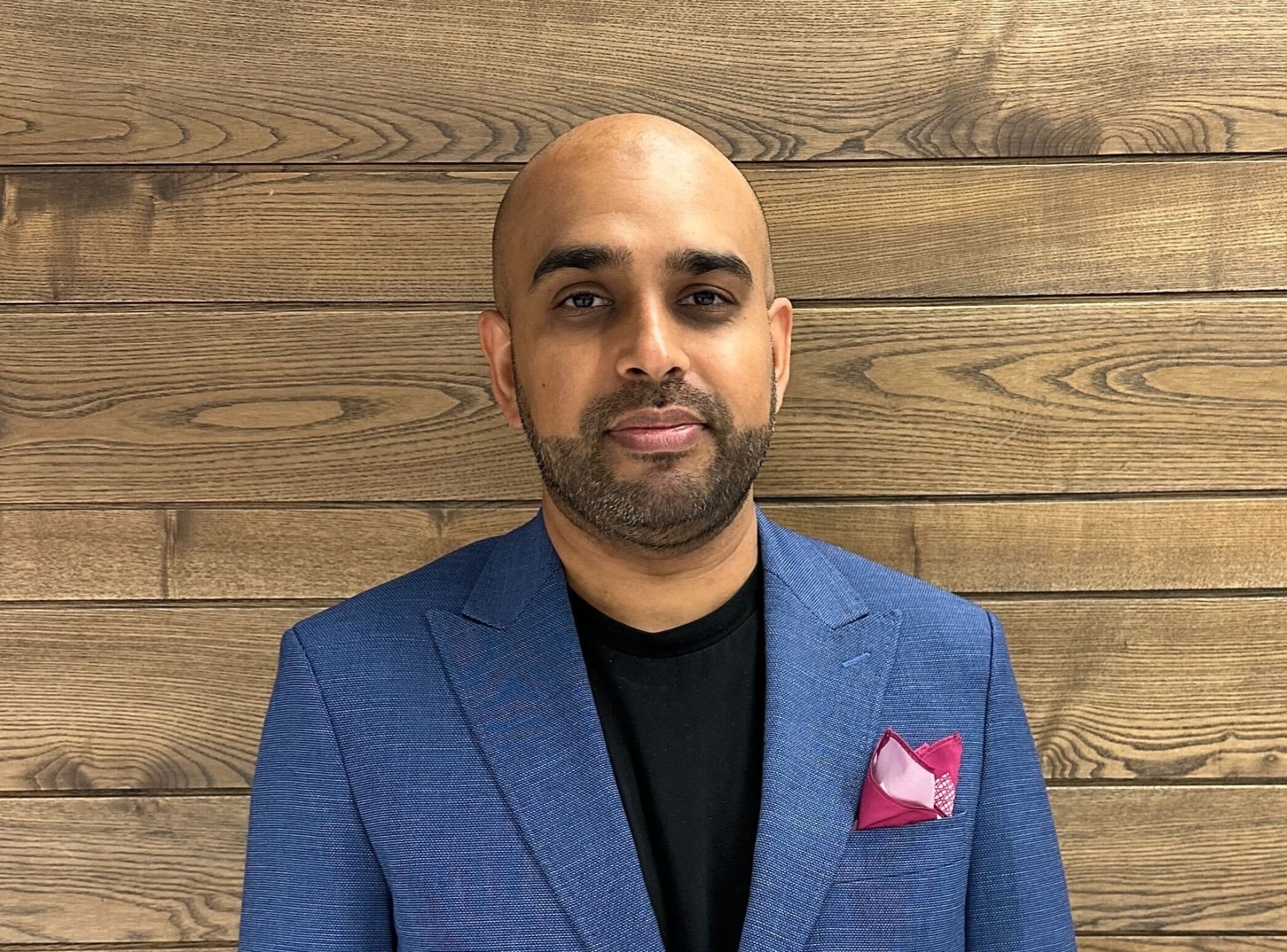
Shoayb Patel
Founder

STEP Dubai 2026: The Future of Innovation Funding Has a New Playbook
Dubai approaches innovation at scale, and STEP 2026 reflected that. The strongest signal across the event was how much more commercially disciplined the ecosystem has become, with innovation increasingly viewed as core economic infrastructure rather than just a startup trend. Founders, CFOs, and investors were asking harder, more grounded questions: How do you build a company that doesn't just grow fast, but grows smart? How do you make innovation spending work harder? And how do you survive the next growth cycle without giving away the cap table to do it?
That shift in tone is telling. And for those paying close attention, it signals something important about where innovation funding, and the broader startup ecosystem, is headed.
Capital Is Getting More Selective. That Changes Everything.
The UAE's startup ecosystem has matured faster than almost anyone predicted. Five years ago, the dominant conversations at events like STEP were about market entry and early traction. Conversations also surrounded the sheer excitement of a region opening up to venture capital at scale. At STEP 2026, the room looked different. Finance leads were in the room, not just for the investor panels, but for the strategic conversations. Investors were no longer just asking "what are you building?" They were asking "how efficiently are you building it, and what does your capital discipline actually look like?"
This is the environment in which non-dilutive funding stops being a footnote and starts becoming a genuine strategic priority. When every point of dilution matters and runway is the metric investors scrutinise most, the question isn't whether to pursue every available financial lever. It's why you haven't already mapped and optimised every one of them.
The companies winning the next phase of this ecosystem won't just be the ones with the best technology or the biggest rounds. They'll be the ones that have built financial infrastructure to match their technical ambition.
R&D Tax Incentives: From Nice-to-Have to Core Financial Infrastructure
In the world's most mature tech economies, the UK, France, Canada, Singapore, Australia, R&D tax credits are treated as standard financial infrastructure. They're not a bonus or an afterthought bolted onto year-end accounting. They're built into annual forecasts and managed with the same rigour as any other capital instrument. Finance teams treat them as a predictable, recurring asset class. Investors factor them into runway calculations. Founders use them as a lever for extending optionality without additional dilution.
The UAE is moving in exactly the same direction, and the trajectory is accelerating. Recent corporate tax framework updates have created the structural conditions for refundable credit mechanisms to operate at meaningful scale. The government's intent is unmistakable: innovation that drives genuine economic growth and builds domestic technical capability is something the UAE is prepared to actively co-fund. This isn't a peripheral policy experiment. It's a deliberate part of how the UAE plans to compete globally for advanced technology companies and high-value talent.
What that means in practice is significant. Companies already conducting qualifying R&D work, for example, building proprietary algorithms or developing novel technical processes, may be sitting on recoverable cash they've never mapped or claimed. The barrier to accessing these incentives is rarely technical eligibility. Most innovative companies are already doing qualifying work. The gap is almost always in cost mapping and financial readiness. That's both a challenge and an opportunity, because it's entirely fixable.
The Runway Equation Is Changing
One of the most consistent themes across conversations at STEP this year was cash flow timing. Even well-capitalised startups are rethinking how to extend runway without sacrificing equity. The pressure isn't hypothetical, it's being driven by a more selective fundraising environment where bridge rounds are harder to close and investor patience for inefficient burn has shortened considerably.
Refundable R&D credits reframe the equation in a meaningful way. They convert past technical investment, spending that has already happened and already hit the P&L, into recoverable cash on a structured, predictable cycle. That's not upside. That's a financial instrument finance teams can model, plan around, and use to make better decisions about hiring, product development, and growth pacing.
The shift in mindset here matters. R&D spending shouldn't be treated purely as a cost center. When structured correctly, it becomes an asset with a measurable return. That reframing changes how founders and CFOs think about investment in technical work, and it changes the conversations they're able to have with their investors and boards.
The Preparation Window Is Shorter Than It Looks
The UAE moves fast. Once policy frameworks are finalised, implementation timelines tend to compress significantly. That's one of the genuine competitive advantages of operating in this environment, but it also means that preparation windows are narrower than founders might expect.
The companies that will benefit most from UAE R&D incentives aren't the ones who react when legislation is formally announced. They're the ones who, right now, understand where their qualifying technical activity sits, how R&D costs flow through their financial systems, and how technical evidence is being captured in real time. When incentives go fully live, those companies move immediately and claim confidently. Companies that haven't prepared spend the following twelve months scrambling to reconstruct records and map costs retroactively, and often leave significant value on the table in the process.
Building compliance-ready infrastructure before it's strictly necessary isn't bureaucratic over-engineering. It's a strategic decision that pays dividends the moment the regime becomes fully operational.
The Bigger Shift
STEP 2026 felt like a genuine inflection point for the regional ecosystem. The energy has shifted from growth-at-all-costs toward something more considered and policy-aligned. Innovation is no longer just about building something new and moving fast. It's about building something new in a way that is structurally sustainable and strategically supported by the policy environment around it.
For companies operating in or expanding into the UAE, the message is straightforward. Innovation funding is about to become more accessible as well as significantly more competitive. The question is no longer whether R&D incentives will matter in this market.
The only question worth asking now is whether you'll be ready when they do.
Shoayb Patel
Founder
Founder of RDvault, helping innovative companies maximise their R&D tax relief.